Padmaraga and Padparadscha Sapphire: The Lotus Colored Pink Orange Gemstone
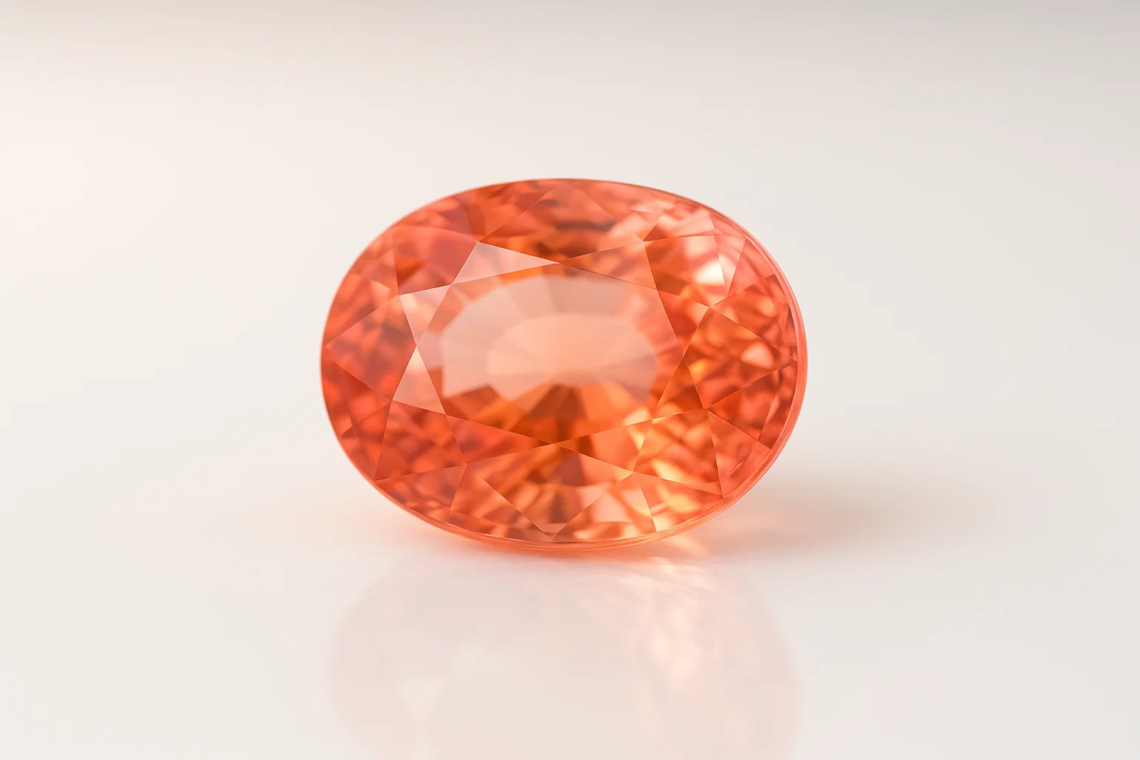
Padparadscha sapphire is one of the most unusual colors in the sapphire family. It sits right between pink and orange, with a soft glow that reminds many people of a lotus flower or a calm sunset.
In Sri Lanka this rare color is traditionally known as Padmaraga, a word that means “lotus color”. In the global trade you will hear the term padparadscha sapphire more often, but both names point to the same idea. It is a sapphire that blends pink and orange in a very specific and beautiful way.
In this Pretty Facets guide, we will look at what padparadscha and Padmaraga actually are, how they connect to the wider world of pink gemstones and orange gemstones, and what you should know before you buy one.
What Is a Padparadscha Sapphire and What Does Padmaraga Mean
Padparadscha is a color variety of sapphire. Like all sapphires and rubies it belongs to the mineral corundum and has a hardness of 9 on the Mohs scale. That hardness is one reason why it is so popular for engagement rings and everyday fine jewelry. It can handle regular wear much better than many other colored stones.
What makes padparadscha different is the color. A true padparadscha sapphire shows a gentle mix of pink and orange in the same stone. People often describe it with soft words rather than strict technical language, because the color looks delicate in real life.
You will commonly hear phrases like:
- Lotus blossom or lotus petal color
- Sunset or sunrise light in a gemstone
The word Padmaraga comes from classical languages used in Sri Lanka and the region and literally means “lotus color”. Historically it referred to a lotus colored sapphire and carried strong cultural value. Over time the international gem trade adapted this into the term padparadscha, but the core meaning stayed the same.
Today, gem lovers often see these names used side by side.
- In global gem markets you will usually see padparadscha sapphire on reports and price lists
- In Sri Lankan gem circles you will still hear Padmaraga when people talk about fine lotus colored stones
Not every pink or orange sapphire qualifies as padparadscha. The balance of pink and orange has to fall into a narrow window, with no strong brown or yellow and no harsh neon tone. This narrow definition is exactly why the stone is rare and why it commands strong prices compared with many other colored sapphires.
Padmaraga in Sri Lankan Gem Tradition
Sri Lanka has been called an island of gems for centuries, and Padmaraga sits near the top of that tradition. Old records, trade routes and temple treasures show that sapphires from Sri Lanka traveled across Asia and the Middle East long before modern gem labs existed.
Within that long history, Padmaraga was not just another stone. It was a specific and highly prized color. A lotus holds deep symbolic value in South Asian cultures and is closely linked to purity, renewal and spiritual growth. A sapphire that captured that lotus tone naturally felt special and powerful.
The name Padmaraga signaled three things to buyers and royal patrons. It suggested rarity, because this color appeared far less often than blue or yellow stones. It suggested status, since fine Padmaraga was more likely to sit in high level jewelry, gifts for leaders or religious offerings. The name also suggested good fortune, because many traditional buyers connected lotus colored gems with blessings in love, wealth and spiritual life.
Modern gemology later introduced stricter naming systems and more exact color boundaries, but Sri Lanka still remains the classic reference point for padparadscha. When someone talks about the “ideal” or “classic” padparadscha color, they usually picture a stone type that first became famous through Sri Lankan deposits.
For a brand that centers its work on Sri Lankan gems, Padmaraga is both a product category and a cultural story. It links modern certified stones to the island’s long gem tradition.
The Color Window Between Pink Gemstones and Orange Gemstones
Padparadscha sapphires live in a narrow color window. That window sits between the world of pink gemstones and the world of orange gemstones. It touches both, but it fully belongs to neither.
When gemologists and dealers talk about a correct padparadscha, they look for three points.
- A real mix of pink and orange, visible to the eye, in the same stone
- Light to medium saturation that feels soft and luminous, not dark or neon
- A clean and pleasant tone, without obvious brown, muddy zones or dirty yellow
If the stone contains too much pink, many labs will simply call it a pink sapphire. If it shows too much orange or a strong brown or copper tone, it can easily move into orange sapphire or another non padparadscha category.
This is why photos, videos and independent lab opinions are so important for this gemstone. Two padparadscha sapphires can look similar at first glance, yet fall on different sides of the lab definition after closer inspection.
In the wider market, shoppers who search for pink gemstones often look at pink sapphire, morganite, pink tourmaline or pink spinel. Buyers who search for orange gemstones often consider spessartite garnet, fire opal, citrine and some orange tourmaline. Padparadscha sapphire appeals to people who like the softness and romance of pink stones and also want the warmth and energy that orange brings.
Because the accepted color window is so narrow, price is very sensitive to small changes. A stone that lands in the perfect middle between pink and orange, with clean pastel saturation, usually brings a strong premium over stones that lean too far in a single direction.

Where Padparadscha Sapphires Come From
Historically, Sri Lanka is the most famous source for padparadscha sapphire. Many of the classic reference stones used by gemologists to explain the padparadscha color came from Sri Lankan alluvial deposits. These stones helped set the visual standard that labs still use as a guide today.
In the last few decades, other locations have also produced padparadscha type sapphires. Madagascar, Tanzania and Vietnam are the most discussed among them. These sources can supply attractive stones, although the overall volume is still small compared with typical blue sapphire production.
Many collectors still prefer stones from Sri Lanka because they associate that origin with the “original” lotus color look. This preference often appears in pricing, where a Sri Lankan padparadscha with attractive color and a respected lab report may cost more than visually similar stones without stated origin or from other deposits.
Regardless of location, all true padparadscha sapphires remain rare. When you compare them with more common colored sapphires and most other pink or orange gems, the supply of fine stones is very thin. That rarity is a large part of the stone’s appeal.
How Gem Labs Defines True Padparadscha
Color arguments around padparadscha are common in the trade, which is why buyers increasingly rely on independent gem labs. Major laboratories use reference sets and detailed color studies to decide whether a stone qualifies for the padparadscha label.
Most respected labs look for a mixed pink orange hue, light to medium tone and a relatively clean, even color. They also pay careful attention to any secondary colors such as brown or yellow. If these are too strong, the stone can fail the padparadscha criteria even if the main tone looks close.
Treatment status is another key point. Many sapphires are heated to improve color and clarity. Heated padparadscha stones are common and can still be beautiful, but they are generally worth less than similar stones with no heat. There are also more aggressive treatments such as beryllium diffusion that can create or enhance pink orange colors in otherwise ordinary sapphires. Diffused stones should always be priced as treated material, not as natural color padparadschas.
A clear, up to date lab report helps you avoid problems in two ways. It confirms that the stone really falls in the padparadscha color range according to accepted standards. It also reports treatments that affect value and long term collectability. For a rare gemstone like Padmaraga, that report is not a luxury. It is part of the basic due diligence any serious buyer should demand.

Padparadscha Sapphire Compared With Other Pink and Orange Gemstones
When people first see a fine padparadscha sapphire, they often ask why it is valued so highly compared with other pink gemstones and orange gemstones. The answer lies in three things: color balance, durability and rarity.
Within the world of pink gemstones, options like pink sapphire, morganite and pink tourmaline can be very attractive. However, most of them show a single, straightforward hue. A padparadscha sapphire shows two hues in harmony. The pink brings a gentle, romantic feel while the orange adds warmth and light. This dual character is not easy to find in a natural gemstone.
Compared with orange gemstones such as spessartite garnet, fire opal or citrine, padparadscha sapphire usually has a softer, more refined look. Many orange stones are bright and intense, which can be beautiful but also a bit loud for everyday wear. Padparadscha tends to sit at a quieter, pastel level where the color feels expensive rather than loud.
Durability is another major difference. As a corundum, padparadscha sapphire has a hardness of 9. That places it far above most pink and orange alternatives in terms of resistance to scratching. For engagement rings and daily rings, this is a real advantage. You can wear the stone with more confidence than you could with softer gems like morganite or opal.
Rarity completes the picture. Fine padparadscha quality is rare even inside the sapphire family. When you compare it with common pink gemstones and orange gemstones, the number of stones that truly fall into the Padmaraga color window is extremely small. That scarcity is a core reason why collectors, investors and serious jewelry buyers are willing to pay a premium.
If you are interested in unusual sapphire colors, it is also worth learning about purple sapphire. You can read a full guide here: Purple Sapphire Guide: Rarity, Meaning, Value and Care 2026
How To Buy A Padmaraga Or Padparadscha Sapphire
Buying a Padmaraga or padparadscha sapphire is not the same as buying an ordinary colored stone. Small differences in hue, treatment and origin can change the value dramatically.
The first non negotiable item is a gemstone report from a respected independent lab. This confirms that the stone is a natural sapphire and that it qualifies as padparadscha within the lab’s color standards. It also states whether the gem is heated, unheated or treated by diffusion. For a rare color like Padmaraga, this document protects you from guesswork and marketing language.
Pretty Facets works closely with independent gem labs in Sri Lanka, which specialize in sapphire grading and are familiar with the traditional Padmaraga concept as well as modern international standards. You can learn more about how these labs work in this guide: Gem Labs in Sri Lanka: Trusted Guide for Sapphire Buyers
When you compare stones, pay attention to four factors:
Color balance should show a clear mix of pink and orange without strong brown, yellow or grey. The stone should still look attractive in natural daylight, not only under warm indoor lighting.
Clarity matters because inclusions are easier to see in pastel stones. A padparadscha sapphire with very visible inclusions can look cloudy instead of luminous. At the same time, a few small inclusions are normal in natural stones and can help confirm that the gem is not synthetic.
Cut is important for light return. A stone that is cut too shallow can look washed out. A stone that is cut too deep can look dark in the center and lose the soft, open look that Padmaraga is known for.
Size and weight have a strong effect on price. Fine padparadscha color above one carat is already rare. Above two to three carats, clean and well colored stones become truly scarce and prices increase sharply.
If you prefer a curated, lab checked selection, you can explore the current Pretty Facets collection here on our Shop page.
Jewelry Ideas And Care Tips For Padparadscha Sapphire
A well chosen padparadscha sapphire works beautifully in many types of jewelry. The most popular choice is an engagement ring, where the soft pink orange tone feels romantic yet refined. Solitaires, halo rings and three stone designs all suit this color well. A simple setting lets the pastel tone breathe, while a halo of white diamonds can add brightness without overpowering the center stone.
Metal color makes a visible difference. Rose gold tends to pull out the pink side of Padmaraga, giving a warm, vintage feeling. Yellow gold adds richness and highlights the orange component. White gold or platinum can create a clean, modern contrast that keeps the focus on the stone itself.
Padparadscha also looks very elegant in pendants and earrings, where the stone is slightly more protected from daily knocks. A matched pair for earrings can be harder to source because of the strict color window, which makes such pieces even more special.
Caring for padparadscha sapphire is straightforward. Its hardness protects it from easy scratching, but it is still wise to avoid sudden hard impacts, especially for rings. Clean the stone with warm water, a mild detergent and a soft brush. Avoid harsh chemicals and avoid ultrasonic cleaners if the stone has visible inclusions or if the seller advises against it. Regular checks of the setting by a jeweler will help keep prongs secure, particularly on rings that you wear every day.
Final Thoughts: Why Padmaraga Belongs In Your Collection
A fine Padmaraga or padparadscha sapphire is more than a pretty stone. It holds a long Sri Lankan tradition, a rare and carefully defined color window, and a level of durability that suits real life wear. It stands in a unique place between pink gemstones and orange gemstones, offering the softness of one and the warmth of the other without giving up the strength of sapphire.
For collectors and jewelry lovers who want something genuinely rare yet wearable, Padmaraga is a compelling choice. When it is backed by a trusted gem lab report and sourced through a careful supplier like Pretty Facets, it becomes a gemstone you can enjoy today and pass on with confidence.
Frequently Asked Questions About Padparadscha And Padmaraga
Is Padmaraga the same as padparadscha sapphire
In practice, yes. Padmaraga is the traditional Sri Lankan term for lotus colored sapphire. Padparadscha sapphire is the modern international term for the same pink orange color range. Today, labs, auction houses and most dealers use padparadscha on reports, while many Sri Lankan traders still say Padmaraga in conversation.
Are all pink or orange sapphires considered padparadscha
No. Only a small fraction of sapphires in the pink to orange range pass strict padparadscha criteria. The color must show a clear blend of pink and orange with light to medium tone and without strong brown or yellow. Many stones that look close at first sight are graded simply as pink sapphire or orange sapphire rather than as padparadscha sapphire.
Are padparadscha sapphires always from Sri Lanka
Sri Lanka is the classic and most famous source, but not the only one. Madagascar, Tanzania and Vietnam have also produced stones that labs classify as padparadscha sapphire. However, many buyers still prefer Sri Lankan stones because of their long history and the traditional Padmaraga connection.
How can I know if a padparadscha sapphire is natural and not heavily treated?
The only reliable way is through a report from a respected independent gem laboratory. This report confirms that the stone is a natural sapphire, describes its color and lists any treatments such as heat or diffusion. Pretty Facets works with reputable gem labs in Sri Lanka and shares these reports with buyers so you can review the details yourself.
Is padparadscha a good choice for an engagement ring
Yes, if you choose wisely. With hardness 9, a padparadscha sapphire is strong enough for daily wear and much more durable than many other pink gemstones and orange gemstones. As with any engagement ring, you should choose a secure setting, avoid rough impact and have the ring checked from time to time. A verified report and a trusted seller such as Pretty Facets will help you invest with confidence.



2 Comments on “Padmaraga Padparadscha Sapphire Guide | Pretty Facets”