Introduction
When we think of gemstones, we often imagine beauty, sparkle, and luxury. But what if a gemstone could also tell the story of the Earth itself?
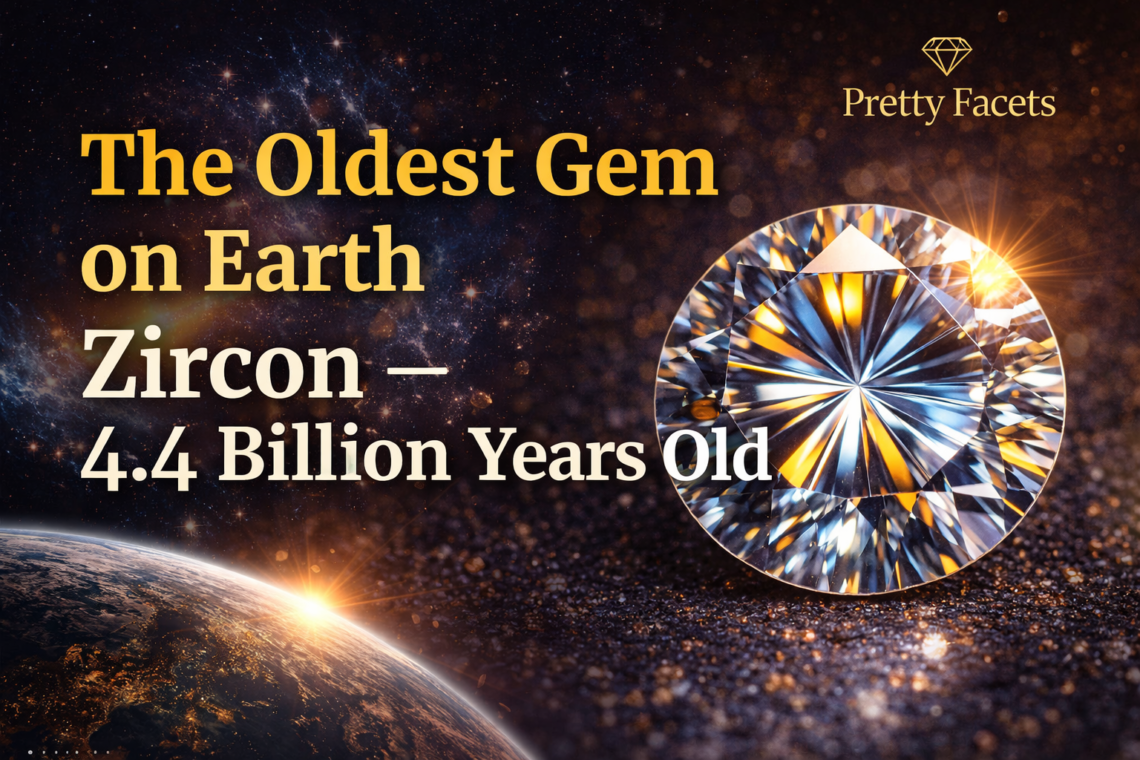
Meet Zircon, one of the oldest gemstones on Earth, with some crystals dating back an astonishing 4.4 billion years. That’s older than most of the Earth’s crust — making zircon not just a gemstone, but a geological time capsule.
In this article, we’ll explore everything you need to know about zircon, including its history, inclusions, properties, and why it is highly valued by collectors and scientists alike.
🌍 What is Zircon?
Zircon is a natural gemstone composed of zirconium silicate (ZrSiO₄). It is found in a wide range of colors including:
- Blue zircon
- Golden yellow zircon
- Red zircon
- Brown zircon
- Colorless zircon
Unlike synthetic stones such as cubic zirconia, natural zircon is a real gemstone formed deep within the Earth over billions of years.
👉 Important: Zircon is often confused with cubic zirconia, but they are completely different. Zircon is natural, while cubic zirconia is man-made.
⏳ Why Zircon is the Oldest Gemstone on Earth
One of the most fascinating facts about zircon is its age.
Scientists have discovered zircon crystals in Western Australia that are over 4.4 billion years old. These crystals formed during the early stages of Earth’s formation.
🔬 Why is zircon so important to scientists?
Zircon is incredibly durable and can survive extreme geological processes. Because of this, it preserves information about:
- The formation of Earth’s crust
- Early continental development
- The presence of water on Earth billions of years ago
In fact, zircon crystals have helped scientists confirm that liquid water existed on Earth much earlier than previously believed.
💡 This makes zircon one of the most important minerals in geology and Earth science.
🔍 Zircon Inclusions: Nature’s Hidden Records
One of the most exciting aspects of zircon is its unique inclusions.
Unlike many gemstones, zircon often contains internal features that reveal its long history.
Common zircon inclusions include:
- Tiny mineral crystals
- Radioactive halo effects
- Internal stress fractures
- Color zoning
These inclusions are not flaws — they are evidence of the gemstone’s natural origin and age.
✨ The “Halo Effect”
Some zircon stones display circular halos around inclusions. This occurs due to radioactive elements like uranium or thorium present in the crystal.
Over time, radiation damages the surrounding structure, creating visible rings or halos.
👉 These halos are like time signatures, marking millions or billions of years of natural processes.
💡 Optical Properties: Zircon’s Unique Sparkle
Zircon is known for its exceptional brilliance and fire.
Key optical features:
- High refractive index → strong sparkle
- High dispersion → colorful flashes (similar to diamond)
- Birefringence → double refraction effect
👁️ What is birefringence?
Zircon splits light into two rays as it passes through the gemstone. This can cause:
- Slight doubling of facet edges
- A soft, unique visual effect
This property makes zircon easily distinguishable from many other gemstones.
🌈 Colors of Zircon
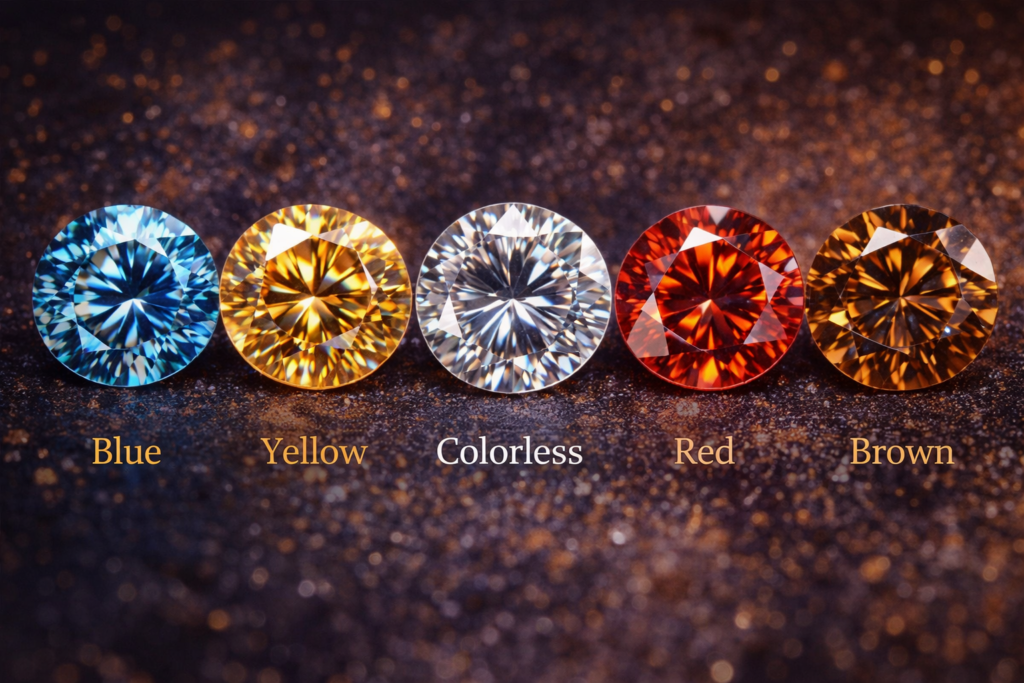
Zircon occurs in a wide variety of colors, each with its own appeal:
- Blue Zircon – the most popular, often heat-treated
- Golden Zircon – warm and vibrant
- Red Zircon (Hyacinth) – rare and valuable
- Colorless Zircon – sometimes used as a diamond alternative
Sri Lanka is one of the world’s most famous sources of high-quality zircon gemstones, especially in golden and brown hues.
🇱🇰 Sri Lankan Zircon – A Global Treasure
Sri Lanka, also known as the “Island of Gems,” is one of the most important sources of zircon.
Regions like:
- Rakwana
- Ratnapura
produce some of the finest natural zircons in the world.
At Pretty Facets, we source gemstones directly from these regions, ensuring:
✔ Authentic origin
✔ Natural quality
✔ Ethical sourcing
This direct connection to the source adds value and trust to every gemstone.
💎 Zircon vs Cubic Zirconia
A common misconception is confusing zircon with cubic zirconia.
Here’s the difference:
| Feature | Zircon | Cubic Zirconia |
|---|---|---|
| Origin | Natural | Synthetic |
| Age | Billions of years | Man-made |
| Value | Valuable gemstone | Low-cost imitation |
| Optical effect | Natural brilliance | Artificial sparkle |
👉 Zircon is a real, natural gemstone, while cubic zirconia is simply an imitation.
🏆 Why Collectors Love Zircon
Zircon is highly appreciated by gemstone collectors for several reasons:
✔ Ancient Origin
Owning zircon means owning a piece of Earth’s earliest history.
✔ Unique Inclusions
Each stone has its own internal story.
✔ Brilliant Sparkle
Zircon rivals diamonds in fire and brilliance.
✔ Rarity
Fine zircon, especially in certain colors, is not commonly available.
📈 Is Zircon a Good Investment?
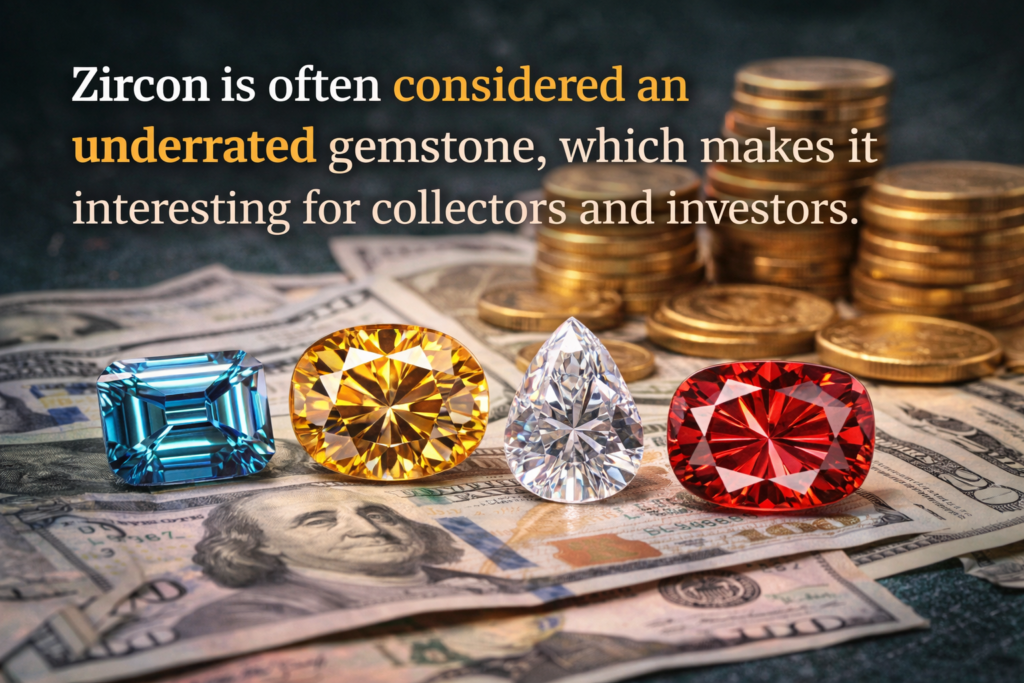
Zircon is often considered an underrated gemstone, which makes it interesting for collectors and investors.
Factors that influence value:
- Color (blue and red are more valuable)
- Clarity
- Cut quality
- Size (carat weight)
- Origin
As awareness increases, zircon is gaining more attention in the global gemstone market.
🌟 Final Thoughts
Zircon is more than just a gemstone — it is a window into Earth’s past.
With its incredible age, scientific importance, and stunning beauty, zircon stands out as one of the most fascinating gemstones in the world.
Whether you are a collector, investor, or simply someone who appreciates natural beauty, zircon offers something truly unique:
✨ A gemstone that carries billions of years of history in a single crystal